


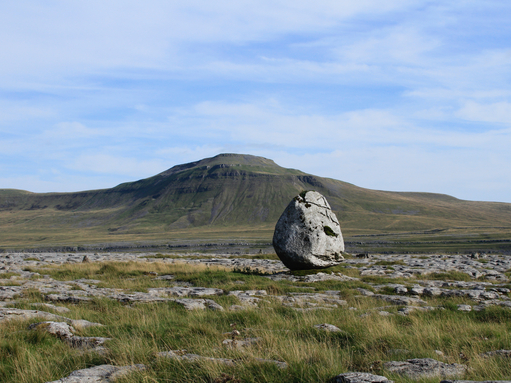
The Yorkshire Wildlife Trust has issued a plea for assistance to conserve and safeguard the unique limestone grassland and pavements of Ingleborough, one of Yorkshire Three Peaks challenge locations, which are habitats for rare flora and fauna.
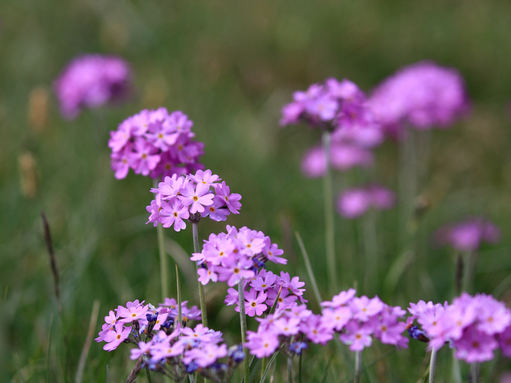
Ingleborough boasts the exclusive presence of Yorkshire sandwort and the Teesdale violet, found only in three locations in the UK, alongside the scarce purple saxifrage, restricted to just two spots in Yorkshire. This area is estimated to harbor a third of the UK’s plant species diversity.
The limestone pavements harbour an array of rare plants including holly ferns, lichens, mosses, wild thyme, and rock-rose, crucial for sustaining the rare northern brown argus butterfly population.

Rachael Bice, CEO of Yorkshire Wildlife Trust, said; Ingleborough is home to “some of Yorkshire’s rarest limestone plants to flourish, and has the potential to be one of the most important limestone landscapes in the world.
“There is so much hope for the future of Wild Ingleborough and the wildlife that could thrive there if given more opportunity. Our partnership work, skills and expertise have the potential to make a real difference on a truly significant scale – but we are now in a race against time to save some of the last remnants of this area’s most vulnerable plants.”
The Trust is actively engaged in cultivating rare limestone flora at a dedicated montane nursery, with volunteers assisting in nurturing plants from seed to maturity for reintroduction into the landscape. Additionally, innovative techniques such as harvesting and spraying fern spores directly into limestone pavement grykes have been trialed, along with seed collection from inaccessible plants on mountain cliffs.
Presently, these rare species and habitats are confined to small pockets across the mountain, rendering them highly vulnerable to changing weather patterns and climate change impacts. To address this, the Trust, in collaboration with partners and landowners, aims to connect fragmented habitats from valley floors to the summit of Ingleborough to facilitate wildlife expansion and resilience.
Recent initiatives include Natural England’s expansion of the Ingleborough National Nature Reserve and Yorkshire Wildlife Trust’s acquisition of new nature reserves like Ashes Shaw and Bellfield’s Pasture. Restoration efforts encompass 1,300 hectares of fragmented limestone grassland, upland woodland, peatland, and limestone pavement to create a more conducive environment for wildlife.
Tony Juniper, Chair of Natural England, hailed Wild Ingleborough as a remarkable landscape restoration project poised to enhance nature and climate resilience. He highlighted the extended Ingleborough National Nature Reserve as a cornerstone of the Nature Recovery Network, supporting diverse flora and fauna in one of England’s last limestone habitats.
Yorkshire Wildlife Trust, with over 75 years of experience in habitat protection and restoration, remains committed to safeguarding wildlife for future generations. The success of Wild Ingleborough depends on the support and generosity of those who cherish the natural world.
To donate to the Wild Ingleborough appeal visit the website here.
Read More: 8 Of The Most Quaint & Idyllic Yorkshire Dales Villages