


We couldn’t be happier to see the colder months are back after a scorching hot summer. Autumn time is back and we are ready to get cosy in the pub and stuff down a load of sunday roasts.
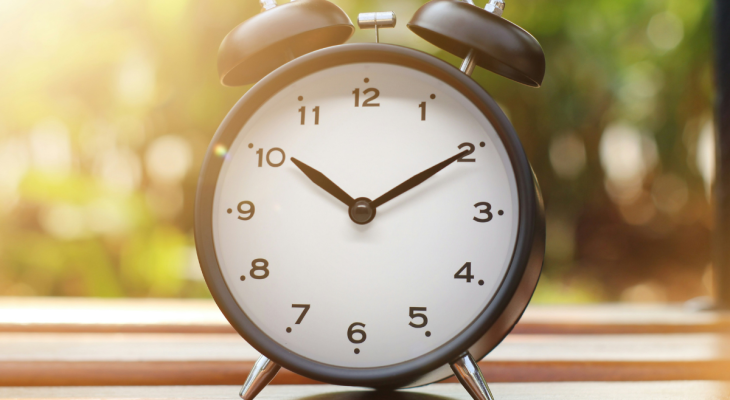
And this weekend we swap British Summer Time (BST) for Greenwich Mean Time. As we put the clocks back an our we welcome the dark evenings.
And while people have mixed feelings about the darker evenings, there is one bonus we can all look forward to: that extra hour in bed when the clocks go back. This year, the clocks will go back a day earlier than they did in 2025.
The history behind daylight saving time

The idea of changing the clocks to make better use of daylight dates back to the early 20th century. British builder William Willett became one of its most prominent advocates, publishing The Waste of Daylight in 1907. He argued that moving the clocks forward during the summer would give people more daylight in the evenings, allowing them to spend more time outdoors while potentially reducing the need for artificial lighting. His proposals were debated in Parliament several times but were initially rejected.
It wasn’t until the First World War, when saving fuel and energy became increasingly important, that Britain introduced British Summer Time in 1916. Germany had introduced a similar system earlier that year, and Britain followed with the Summer Time Act.
How to remember whether clocks go forward or backwards
A handy way to remember whether we get an extra hour in bed, or lose an hour, is with a good ol’ saying. The saying goes: “spring forward, fall back”.
It doesn’t make it any easier, we know, but we can’t wait for kicking up autumn leaves, pumpkin patches and hot chocolates in cosy cafes.
Read More: Robin Hood’s Bay Set For A New Victorian Weekend Christmas 2026


