




You can’t beat belting out a few Christmas carols over the festive period. Whether from a young age in school to carol services – but did you know that you may have been singing ’em wrong all this time.
English Heritage, in its in-depth exploration of the history of Christmas hymns, has unearthed intriguing insights. The charity’s research sheds light on the festive traditions of Britain, disclosing that many carols lacked a ‘correct’ melody for a significant part of their history. This is great news for me, as I can attest my out of tune singing to ‘sticking to tradition’.
During the 19th century, efforts were made to standardise carols, making them more like we know them today. Before this standardisation, carols exhibited an anarchic nature, devoid of any formal tune. Congregations and soloists engaged in spontaneous improvisation, crafting melodies on the spot. Is it just me, or does this seem like more fun?
Read More: The 15th Century Ruin Where Guests Can Enjoy A Medieval Banquet
English Heritage’s study aims to facilitate a reconnection between the British public and forgotten aspects of festive lore, not only the correct melodies for carols but also the tradition of dancing to them outdoors.
This festive dance wasn’t confined to the church setting; it found expression in various places, including pubs, residents’ front doors, and the grand halls of households where hospitality was enjoyed. In the past, these festive celebrations were restricted to the 12 days of Christmas, spanning from Christmas Eve to the official end on January 6, known as the Epiphany.
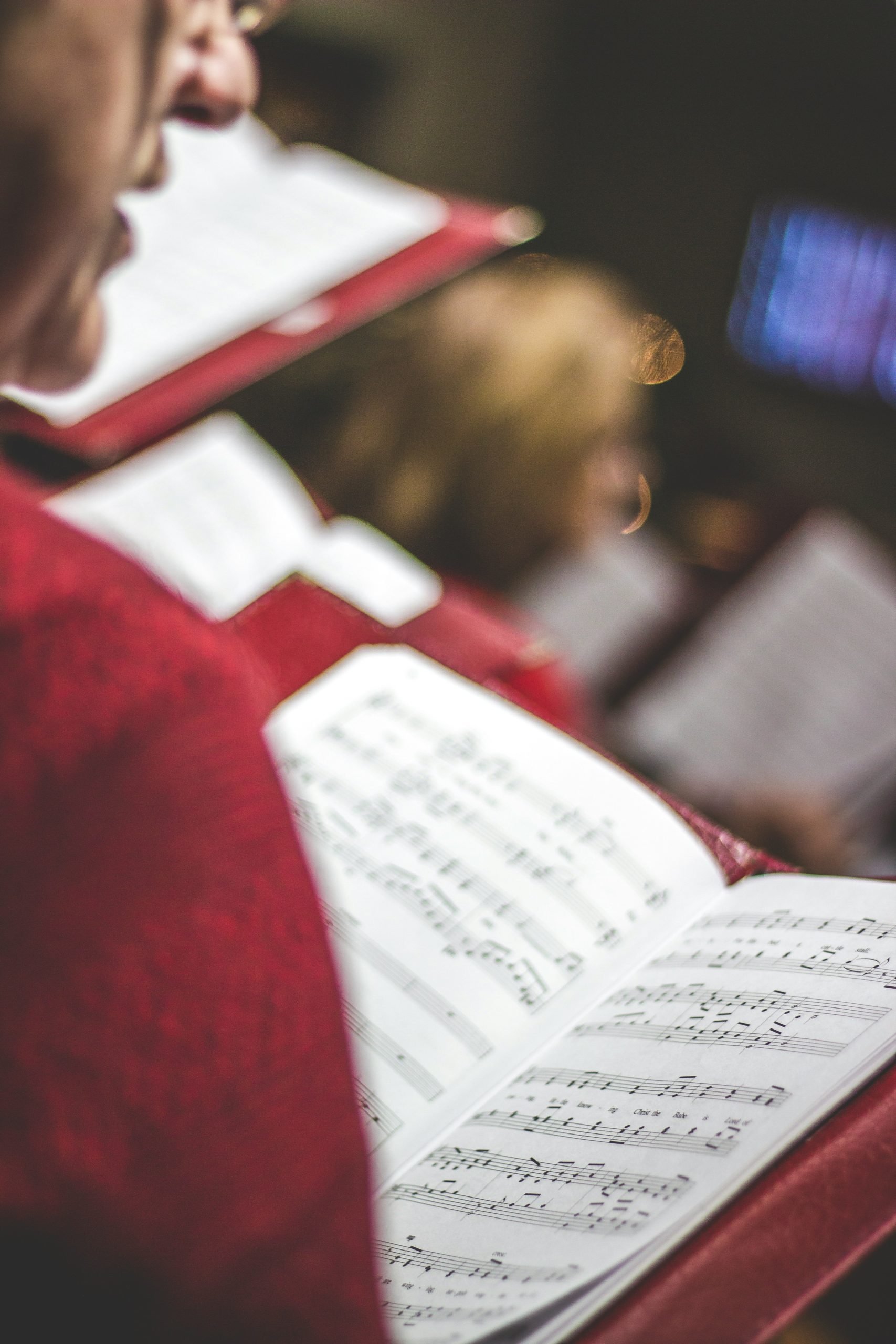
The Daily Mail reported that Dr Michael Carter, who led the study, and is the senior properties historian at English Heritage, said: “Only a fraction of medieval Christmas carols retain their original score, and it’s entirely possible that in many instances these were never composed at all.
“Instead, many tunes were simply made up on the spot. In perhaps happier news, we might also think of carols today as solemn and reflective, but the first carols were actually written to be danced to and would have been a rather jolly affair.
“While this is a practice I personally hope we revive, it’s worth remembering that carols are a living tradition, evolving through the centuries, and should be celebrated in all forms, especially at Christmas.”
Read More: 45 Of The Most Festive Yorkshire Christmas Markets And Events To Enjoy This Winter