




A £5m project to build a 5.2km (3.2 miles) sewer, near Full Sutton has uncovered a series of finds ahead of the laying of a new sewer including parts of a roman road and a burnt mound along with a burial monument with human remains thought to be 4,500 years old has been discovered in East Yorkshire.
Discovered in the Full Sutton area by Ecus Archaeology, the small circular burial with the human remains was “surprisingly well-preserved” despite being plough, Yorkshire Water say. The three sites are said to give a glimpse into the prehistoric and early historic past of the area.
The human remains found, show a individual place in either the foetal or crouched position. The grave was back-filled with burnt stone and charcoal from the adjacent mound – with the bones surviving. The team said these were similar to other monuments or “round barrows” found in the UK believing that Full Sutton example could be 4,500 years old.
Gavin Robinson, from Ecus Archaeology, which undertook the investigation, said: “It was disturbed by later ploughing, but, considering the ground conditions, the associated human remains were surprisingly well-preserved.
“The local sandy geology is usually too acidic for human remains to survive, however, the grave had been backfilled with a mixture of burnt stone and charcoal from the adjacent ‘burnt mound’ spread, which seems to have helped the bones survive.”
Read More: This Incredible Restaurant Has Been Named Best In East Yorkshire
He said: “The grave did not contain any artefacts, however, the bones themselves are an important scientific resource as specialist analysis often provides evidence that can provide insights about the life of the individual.”
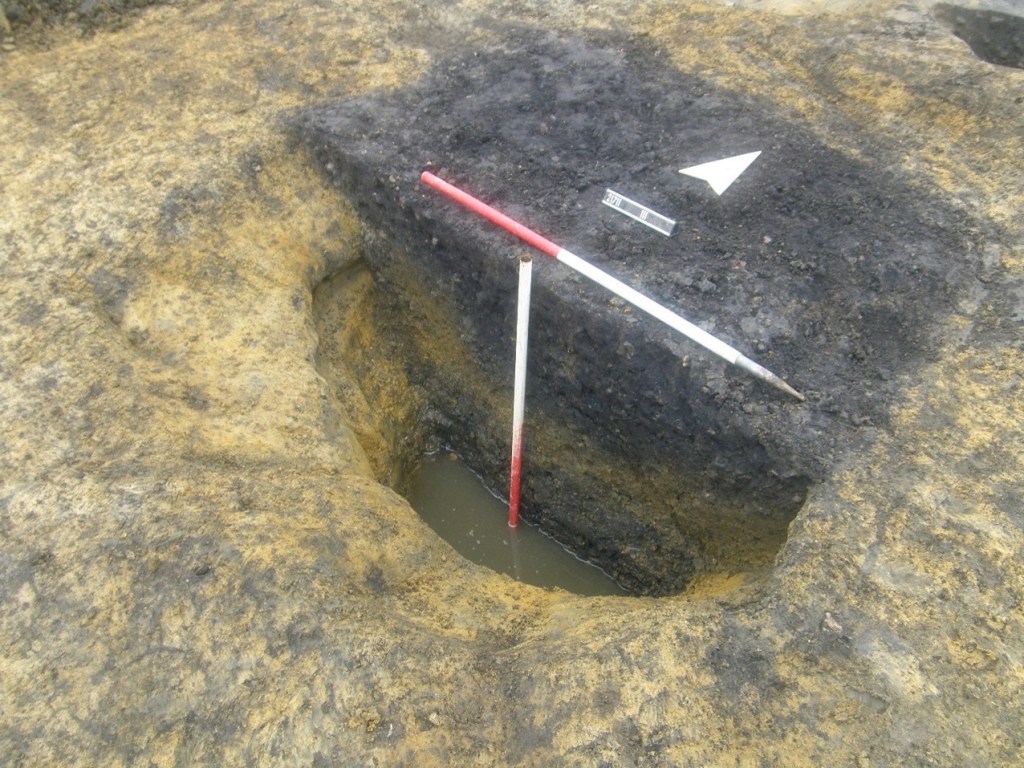
It’s been estimated that the monument is either from Later Neolithic or Bronze Age date covered by a dome-shaped mound of earth or stone. Things found included a small earth oven and a deep pit that could have been a well. The well had part of a wooden lining preserved as well as lower fills, which archaeologists took soil samples from.

Yorkshire Water said the soil samples could provide “valuable and rare data” into the history of the site including possible preserved remains of plants and insects.
Closer to Stamford Bridge, the Roman Road was uncovered. Yorkshire Water said the alignment suggested it would have led to the remains of the Roman town if Derventio in Reckondales.
Adam Ellis, project manager at Yorkshire Water, said “The archaeology work prior to us starting the new sewer in the area is something we do on projects considered areas of archaeological interest and it was great to see some of the findings from site. Our project is now underway and the sewer currently being laid will provide services for the new prison.”
Read More: 10 Of The Most Beautiful, Quaint Villages To Visit In East Yorkshire
Feature Image Credit: Yorkshire Water