


We love a bit of good news in Yorkshire. And, this week the big news is the success of the Wild Ingleborough programme, which has grown and planted 75 wild spiked speedwell plants, that were nurtured from seedm for the first time in Yorkshire.
The tiny purple wildflower is incredibly rare and is only found in a few locations – including the Yorkshire Dales and is one of the UK’s rarest wildflowers. A small cluster of the plant clings to an exposed cliff ledge high on the Ingleborough massif – away from grazing sheep, .
And, to secure the future of the small isolated grouping of flowers, as part the Wild Ingleborough, a special licence was allowed to the team to safely collect seeds from the cliff edge which were then sent to Kew Gardens’ Millenium Seedbank becoming the most northerly spiked speedwell seeds in their collection.

Around 600 spiked speedwell plants were successfully germinated, grown and potted on in a dedicated nursery at the foothills of Ingleborough. 75 of which have been planted in autumn. The team intends to plant out even more of the tiny purple flower amongst other species in 2025 in the area and Natural England’s Ingleborough National Nature Reserve.
A range of other species are being cultivated at the nursery including bloody cranesbill, globeflower, and a variety of montane willows; and purple saxifrage, baneberry, grass-of-Parnassus and roseroot hopefully germinating from collected seed next year.
Dr Tim Thom, Yorkshire Wildlife Trust’s Programme Manager for the Wild Ingleborough Programme said: “It has been incredible to reach this point, where we are saving and increasing populations of rare wildflowers that we’ve nurtured and grown from seed. Loss of habitat and a changing climate makes some species particularly vulnerable, and it was significant to be able to collect the seeds from this beautiful rare flower, which has until this point been so isolated at Ingleborough that we were in danger of losing it altogether.
“We’ve had amazing support from volunteers, other environmental organisations and Yorkshire businesses, it’s been a fantastic year for Ingleborough’s wildflowers and we’re looking forward to seeing what spring brings – always late in this area of the Dales – but expect colour, more diversity and a growing carpet of wildflowers.”
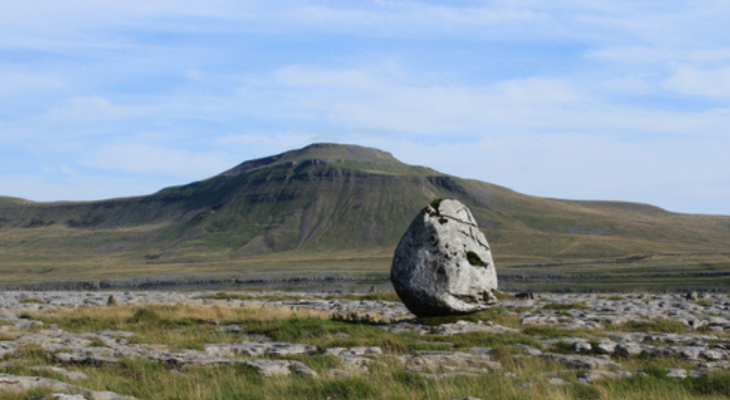
The Wild Ingleborough programme, which covers 1,300 hectares of the Yorkshire Dales around Ingleborough, and has the aim of reconnecting and restoring the remaining patches of limestone pavement, limestone grassland and montane scrub saving the incredibly rare species that cling on there many of which aren’t found anywhere else in the UK
Hardy cattle that chew awat the rank grass, that help the wildflowers against competition creating in the process grass heights that are ideal for ground nesting birds and insects. An urgent plea to save, the Ingleborough area, one of Yorkshire’s most important wild landspaces was put out last year and one the partnership that has been welcomed is the award-winning Yorkshire bed company Harrison Spinks, who provided a generous investment to help set up the upland plant nursery in the Ingleborough foothills.
Read More: Red Squirrel Colony Found For First Time On Site In Yorkshire Dales