



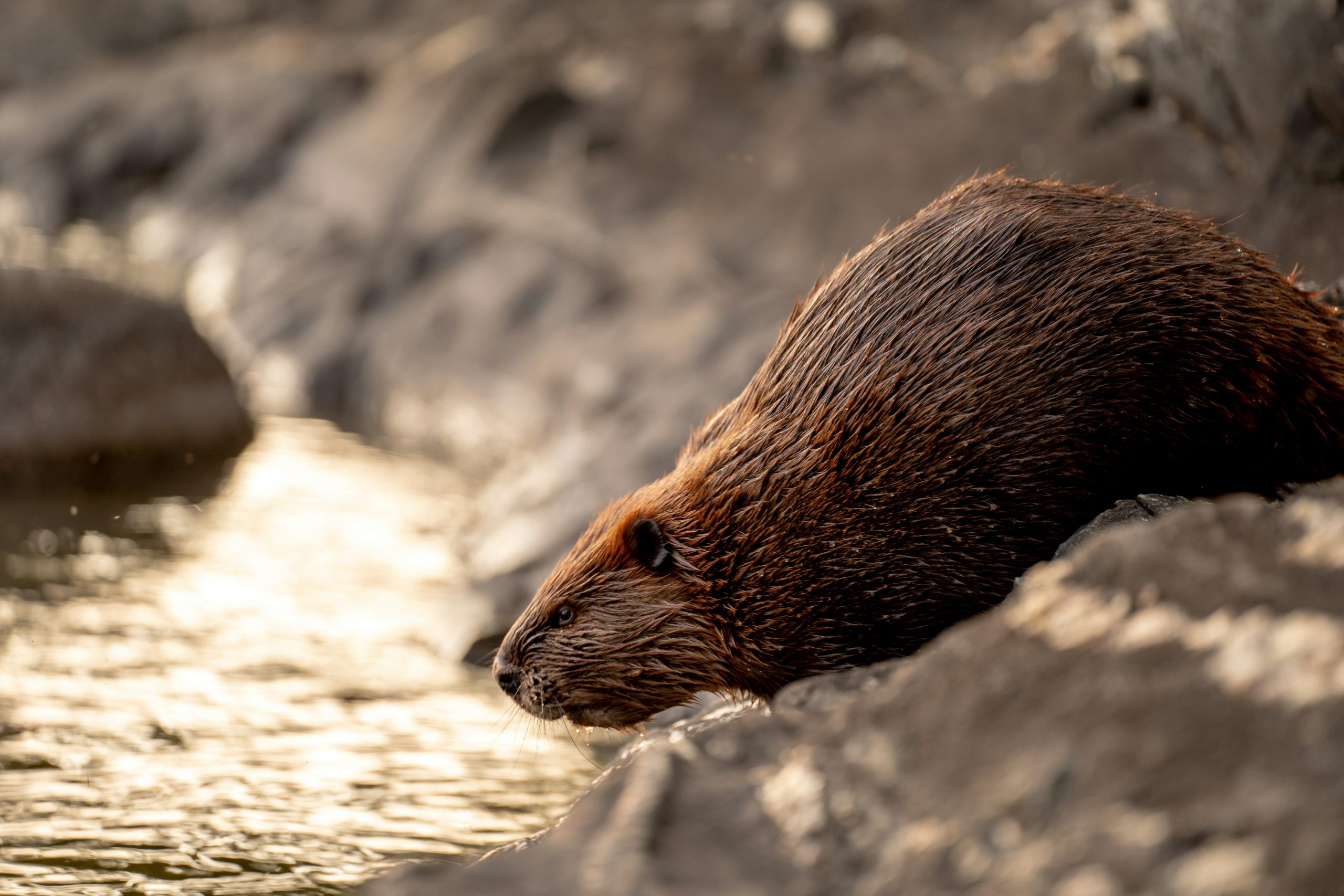
In a remarkable turn of events, the iconic beavers are poised to make a triumphant comeback to Sheffield’s waterways, centuries after being hunted to extinction in the UK. The green light has been given for an ambitious test project, signalling hope for both flood defence and biodiversity in the region.
Recently, Sheffield councillors unanimously approved a £98,000 investment into a study aimed at reintroducing beavers to the picturesque landscape of Blacka Moor and the surrounding Upper Don Catchment. This pioneering endeavour, funded by a Yorkshire Regional Flood and Coastal Committee Capital Grant and Yorkshire Water, marks a significant step forward in the city’s natural flood defence plans.
The implications of this project extend far beyond the city limits. By strategically placing beavers in these water-rich environments, the aim is to harness their natural instincts to build dams. These dams, while simple in their construction, possess the power to mitigate flooding risks for thousands of homes and businesses not only in Sheffield but also downstream in Rotherham and Doncaster.
Green Party councillor Marieanne Elliot, a driving force behind the initiative, expressed her enthusiasm after witnessing the positive impact of similar projects elsewhere. Reflecting on her visit to a project in North Yorkshire last August, she remarked on the impressive biodiversity that flourished in the wake of beaver activity.
The benefits of beaver reintroduction extend beyond flood mitigation and biodiversity. Unlike other creatures, when beavers fell trees to construct their dams, they don’t simply destroy them. Instead, these trees undergo a process known as coppicing, allowing them to regenerate and continue to contribute to the ecosystem.
In a world grappling with the consequences of climate change and biodiversity loss, the story of Sheffield’s beavers offers a glimmer of hope—a reminder that with vision, innovation, and collaboration, we can forge a future where nature and humanity thrive together.
Councillor Elliot said: “Securing the funding for a beaver feasibility study in Sheffield is really exciting. I went to visit a project in North Yorkshire that’s five years in, and could see how the beavers have positively changed the landscape. As trees are felled and wetlands created, other plant species emerge. Beavers bring wood into the water, that wood provides food and shelter for insects. Those insects become food for other species.
“The project I visited had more bats, herons, kingfishers, dragonflies, otters, owls and much more frogspawn, as a result of the beavers being there. Not only have they mitigated flood risk by slowing the flow of water by building dams, there is improved biodiversity in the area too, with lots more wildlife.”
Read More: Sheffield’s Tallest Building Has Been Given Planning Approval